H-Bridges: Student Team from Serbia Building a Bidirectional EV Charger for a Global Engineering Competition


Every year, some of the most promising engineering students in the world gather around a single challenge: solving real problems shaping the future of energy.
That challenge is part of the IEEE International Future Energy Challenge (IFEC) - one of the world’s most prestigious undergraduate competitions in power electronics and energy systems.
The 2026 task?
Not just a system capable of charging a battery, but one that can also return energy back into the electrical grid through Vehicle-to-Grid (V2G) functionality: a technology increasingly viewed as part of the future of sustainable infrastructure.
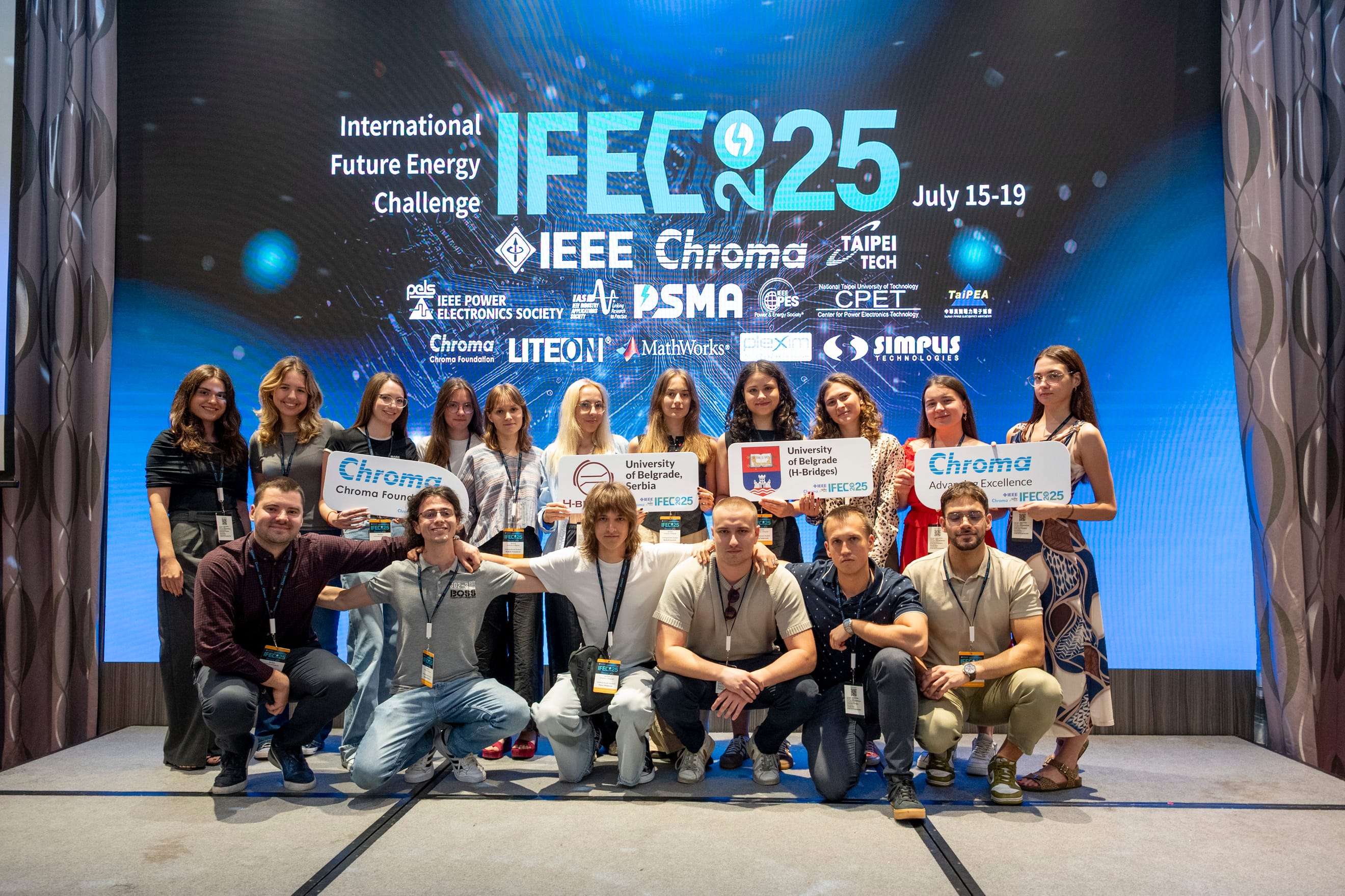
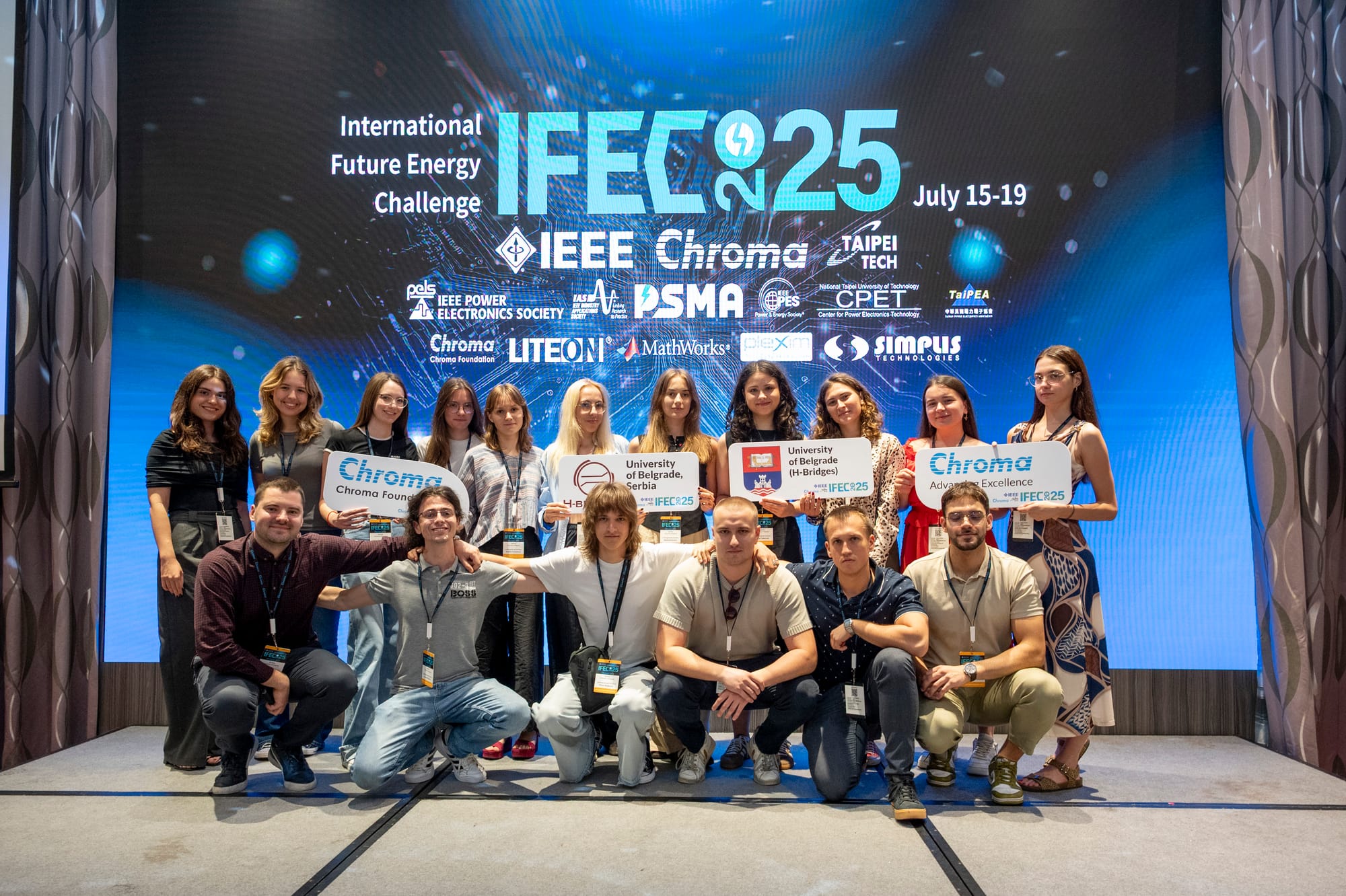
Among teams from countries like the United States, China, Germany and Brazil, one student team from Serbia continues to stand out.
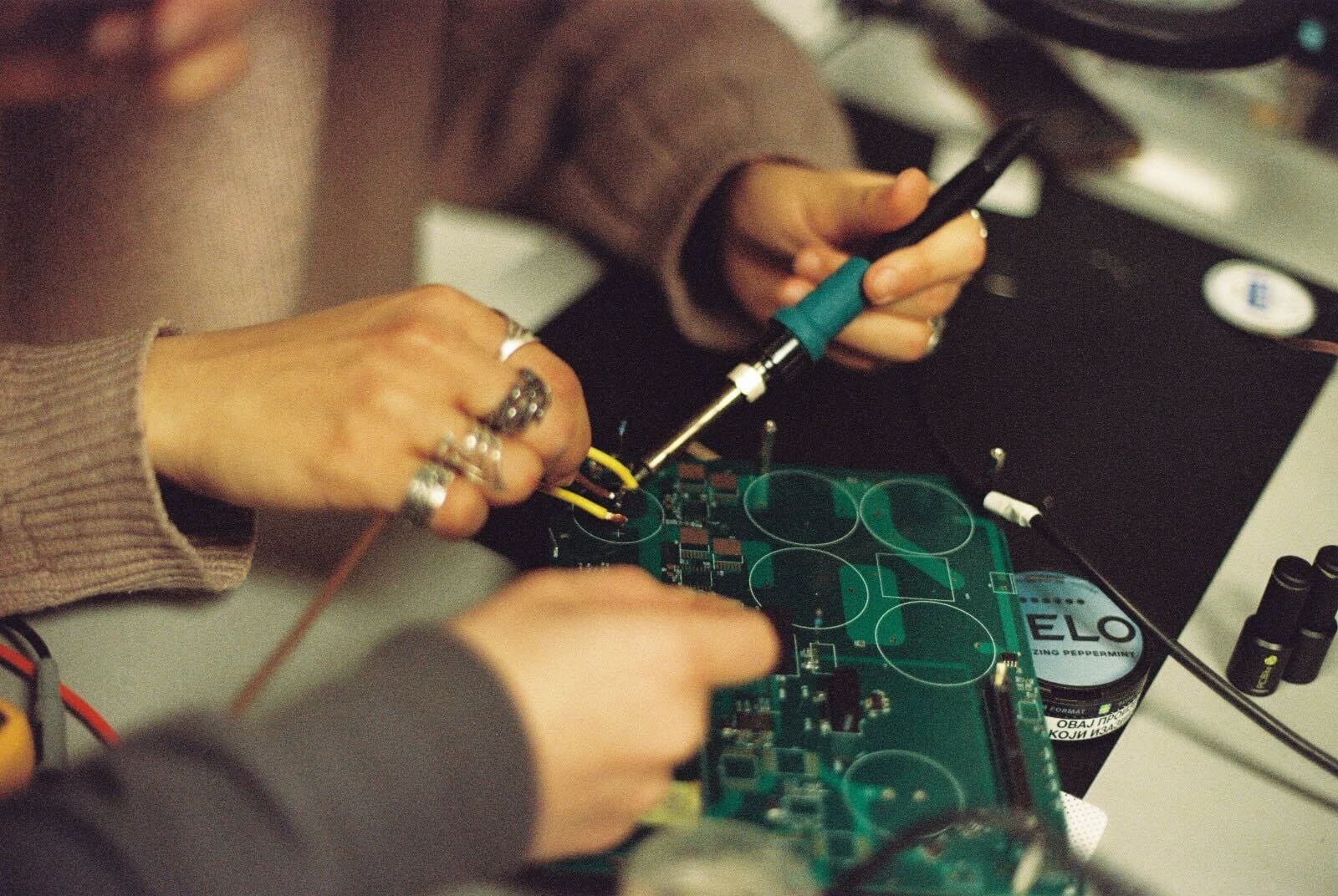
A team of students from the Faculty of Electrical Engineering at the University of Belgrade, working inside the Laboratory for Digital Control of Power Converters and Drives.
The team is composed of students specializing in hardware design, software development, PCB design and control systems.
Over the years, H-Bridges has become one of the most consistent teams at IFEC, repeatedly placing among the top finalists and representing Serbia on a global engineering stage dominated by some of the world’s strongest universities.
But according to the team, the real story begins much earlier - in the lab. One of the team members, Aleksandar Manojlović, shared their story with us.
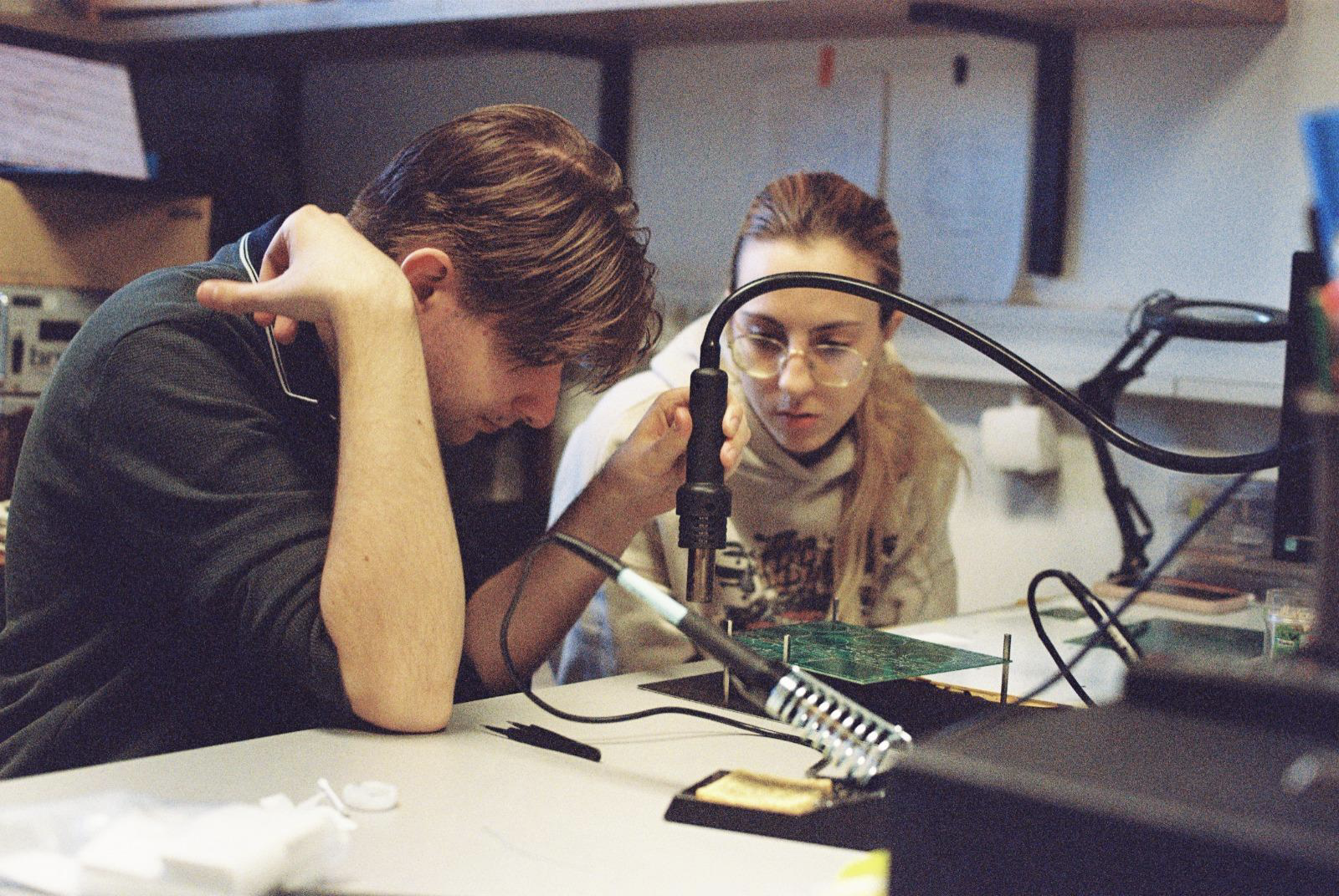
“Months where weeks happen and weeks where months happen.”
The project itself is deeply technical. The team is developing a 1kW bidirectional EV charger with strict efficiency, power density and safety requirements defined by IFEC. The system must support both charging and returning energy back into the grid, while maintaining high efficiency, compact design and plug-and-play reliability.
There’s a sentence one of the students used while describing the process that perfectly captures the rhythm of engineering work inside H-Bridges:
“Months during which weeks happen, and weeks during which months happen.”
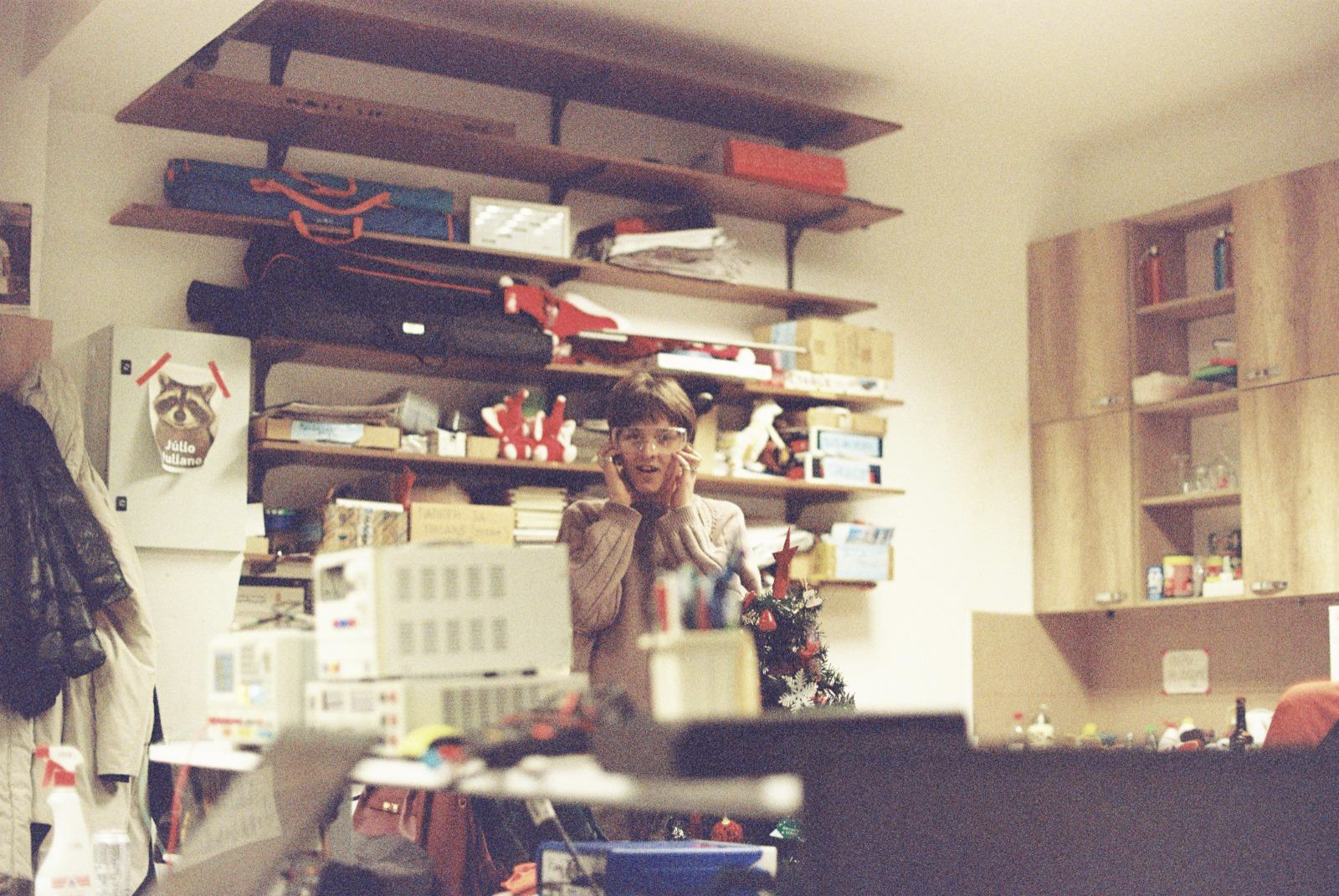
Some days move slowly - simulations, calculations, component selection, documentation, waiting for hardware iterations. Then suddenly everything accelerates at once.
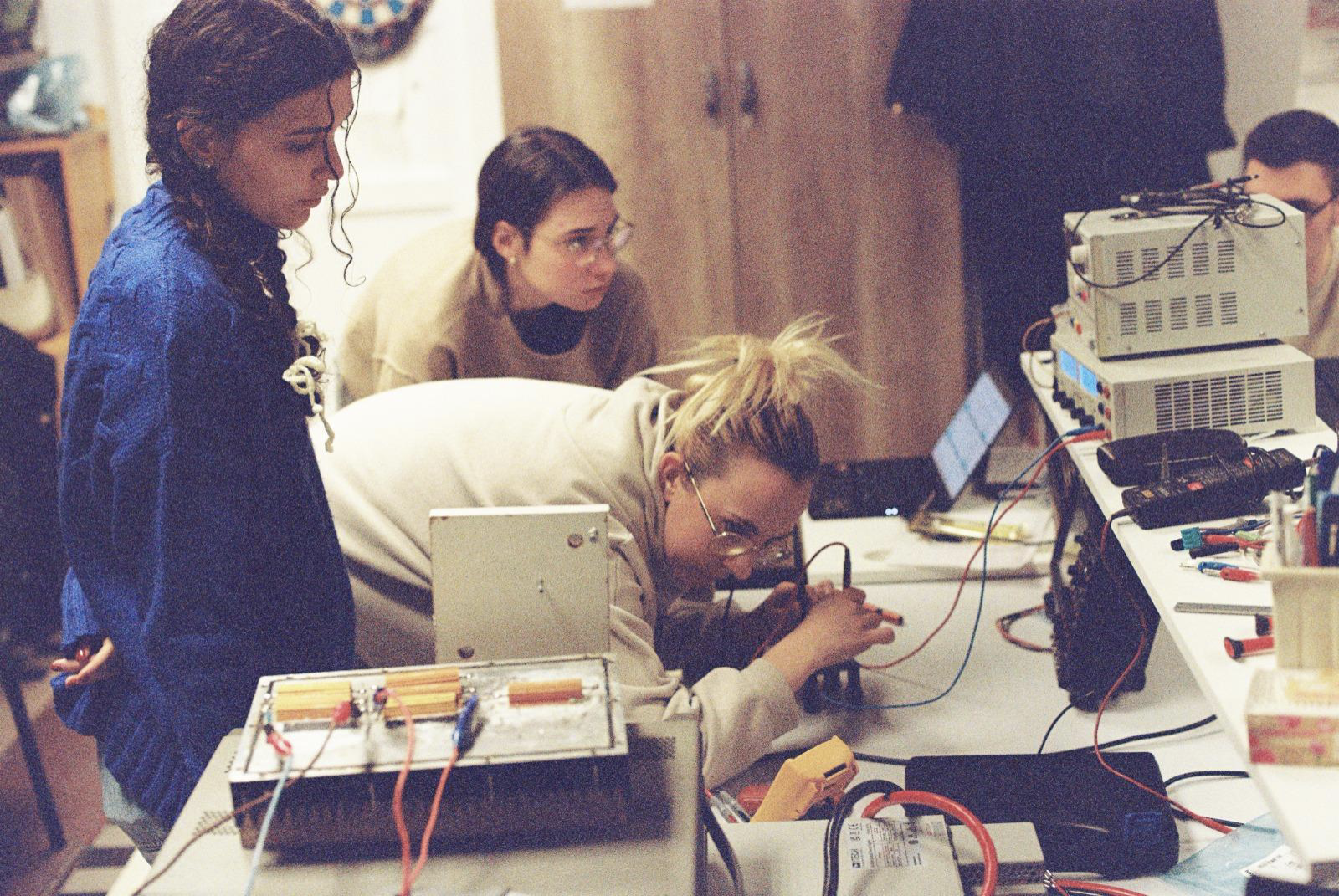
Inside the lab, the atmosphere constantly shifts between stress, frustration, silence and celebration.
“Before any major deadline, everyone is working. We all depend on each other and we’re aware of it. Everyone has one common goal: to win.”
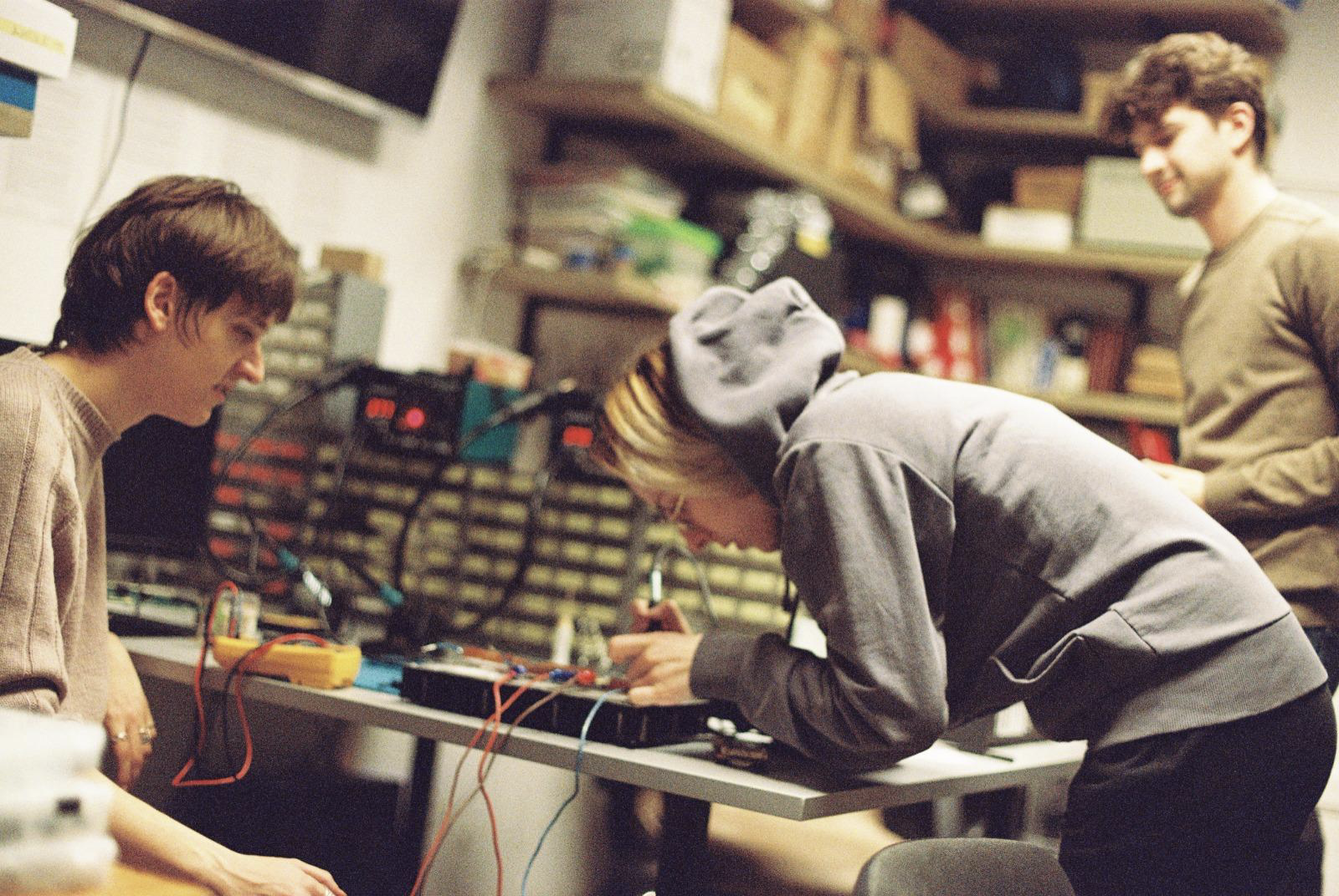
None of that can be solved through theory alone.
The moment theory meets reality
The H-Bridges team spent months building mathematical models, simulations and system architectures before physically assembling the device.
But simulations only go so far.
“If everything in the real world behaved as perfectly as it does on paper, testing wouldn’t even be necessary.”
For the students, one of the biggest parts of engineering is reducing unpredictability as much as possible - understanding which problems can be modeled and which only reveal themselves once current starts flowing through real hardware.
The first real confirmation came during testing before the semifinals.
“That was the moment we realized the system could actually work. It wasn’t perfect, that’s when modifications and redesigns really started. In those moments, you simply have to find a way.”
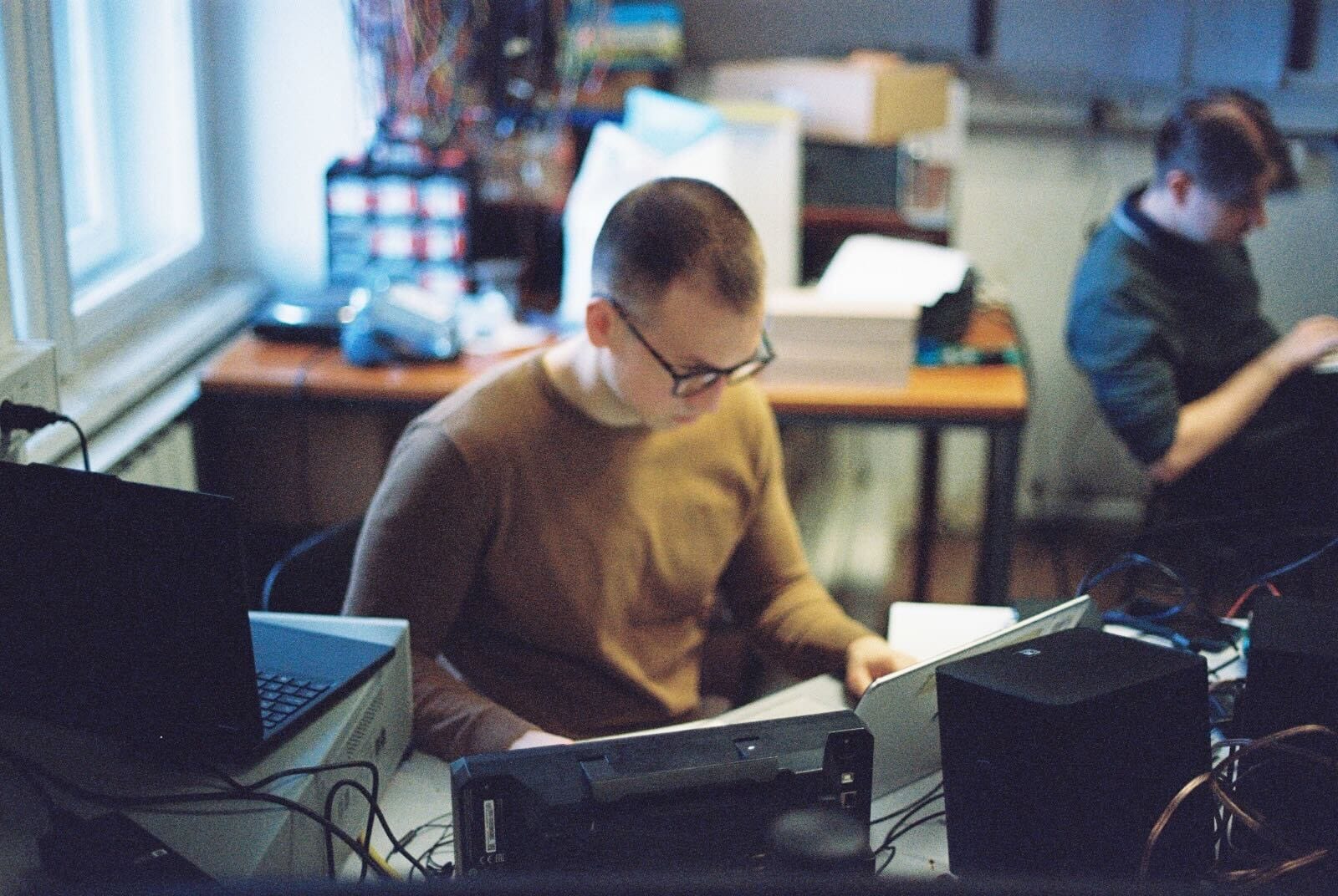
And those moments often happened late at night.
One memory in particular already feels permanent to the team.
It was nearly 11 PM during a testing session before the semifinals. The team was trying to reduce THD (Total Harmonic Distortion), one of the key performance parameters of the system.
Then one of the software engineers made a breakthrough.
“He managed to achieve something unbelievably good through software optimization alone. Everyone in the room was impressed.”
But what stayed with the team wasn’t just the technical success itself.
“He later said that software could only achieve those results because it had quality hardware underneath it. That moment really stayed with me - realizing we had built hardware that allowed someone else to do truly great work.”
Building more than hardware
While the project revolves around power electronics, converters and energy efficiency, much of the real challenge has little to do with circuits.
It has to do with people.
According to the team, one of the hardest parts of the process is learning how to work together under pressure.
“Everyone develops strong technical skills individually. But teamwork introduces completely different challenges.”
Inside the lab, progress depends on communication, patience and mutual trust.
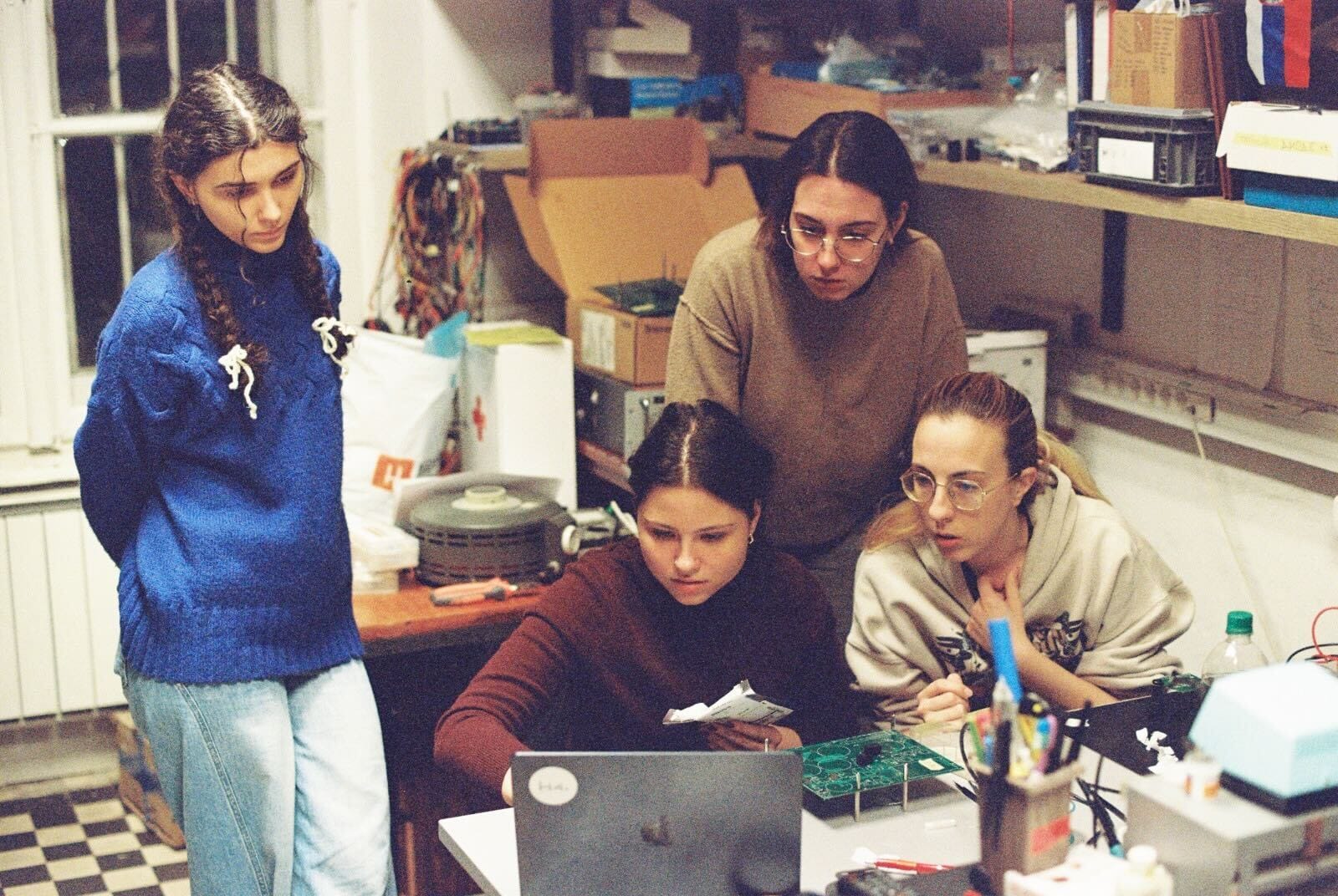
Sometimes solving interpersonal problems takes longer than solving technical ones. And yet, the students describe that process as one of the most valuable parts of the experience.
“Working on problems related to people and teamwork, and working on yourself in the process, is one of the most important things anyone can do for their professional and personal development.”
That mindset may also explain why H-Bridges has become one of the most respected recurring teams at IFEC.
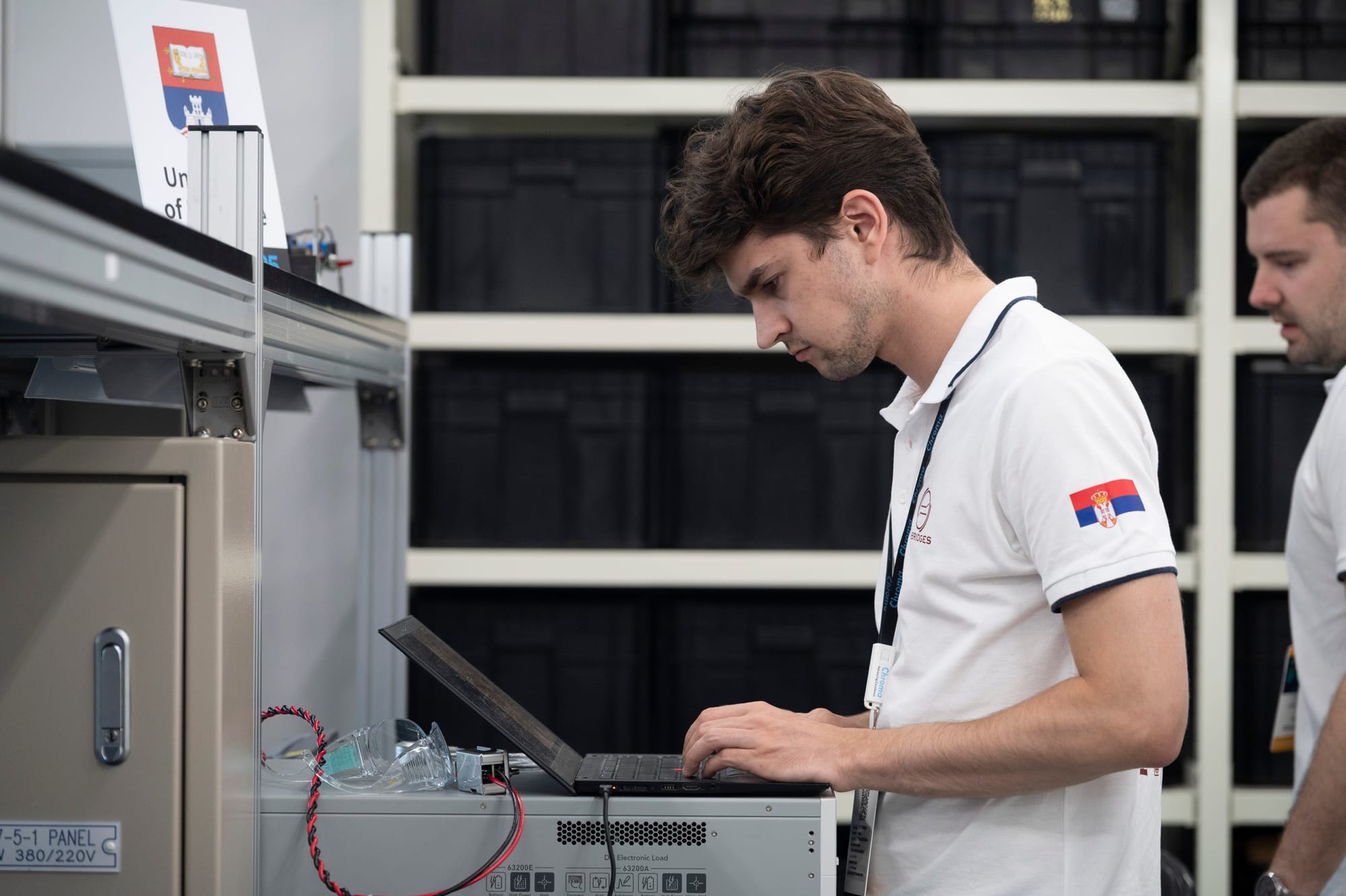
Over the years, the Serbian team has consistently placed among the world’s top finalists, competing against universities from Germany, China, the United States and other leading engineering nations.
And the students know that reputation now follows them into every competition hall.
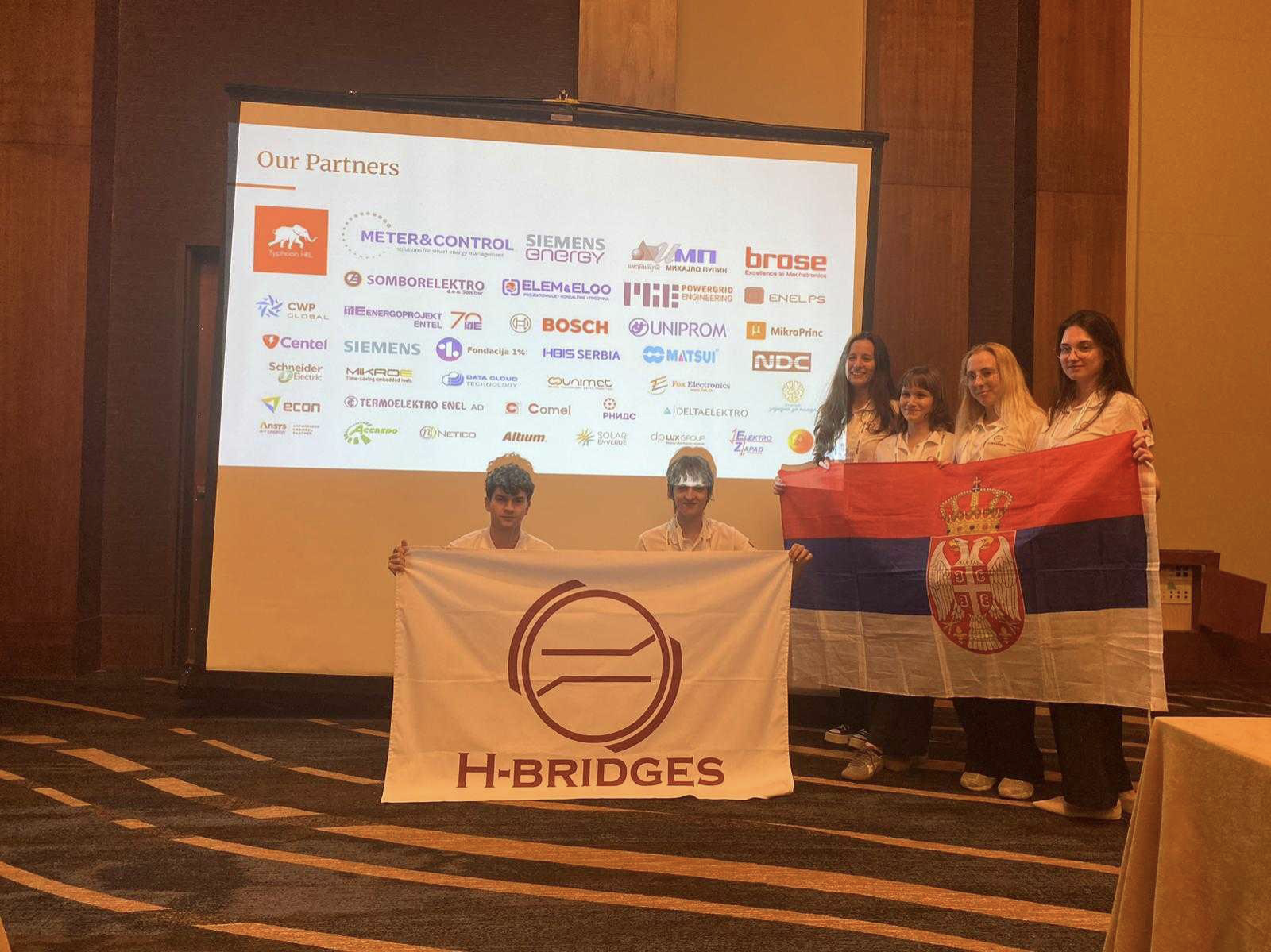
The pressure of representing a country
For the H-Bridges team, qualifying for the finals is both exciting and intimidating.
“I mostly feel proud, with a small dose of fear.”
That feeling became especially real after advancing through the semifinals in the United States - a moment that marked a turning point in the project, where months of simulations and lab work finally stepped onto the international stage.
It was the first time the system was no longer just something being developed inside a lab in Belgrade, but something evaluated in a global engineering environment.
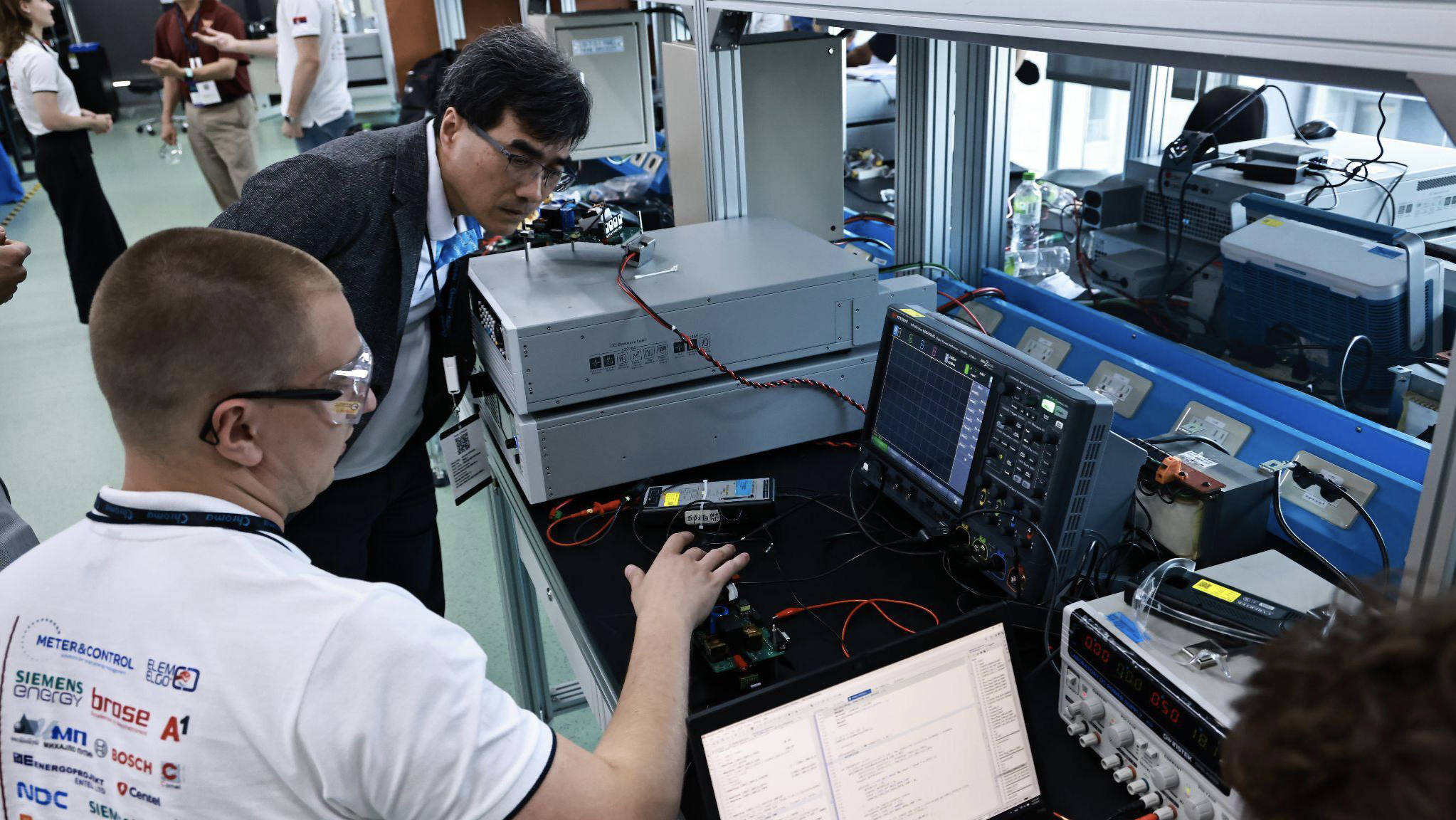
And unlike many student projects that stay inside university classrooms, IFEC demands systems that actually work under real constraints.
The charger must meet strict efficiency targets, power density requirements, safety standards and plug-and-play functionality. Every design decision matters. Every test matters.
What people don’t see
From the outside, projects like this often look like polished presentations, finished prototypes and competition photos.
But according to the students, most of the work is invisible.
It’s the hours spent reading scientific papers and technical documentation. Learning completely new systems. Solving problems no one in the room has solved before. Rebuilding hardware. Running simulations again. Waiting for components. Testing things that fail.
And then testing them again.
“Anyone developing something new has to be ready to spend a huge amount of time learning.”
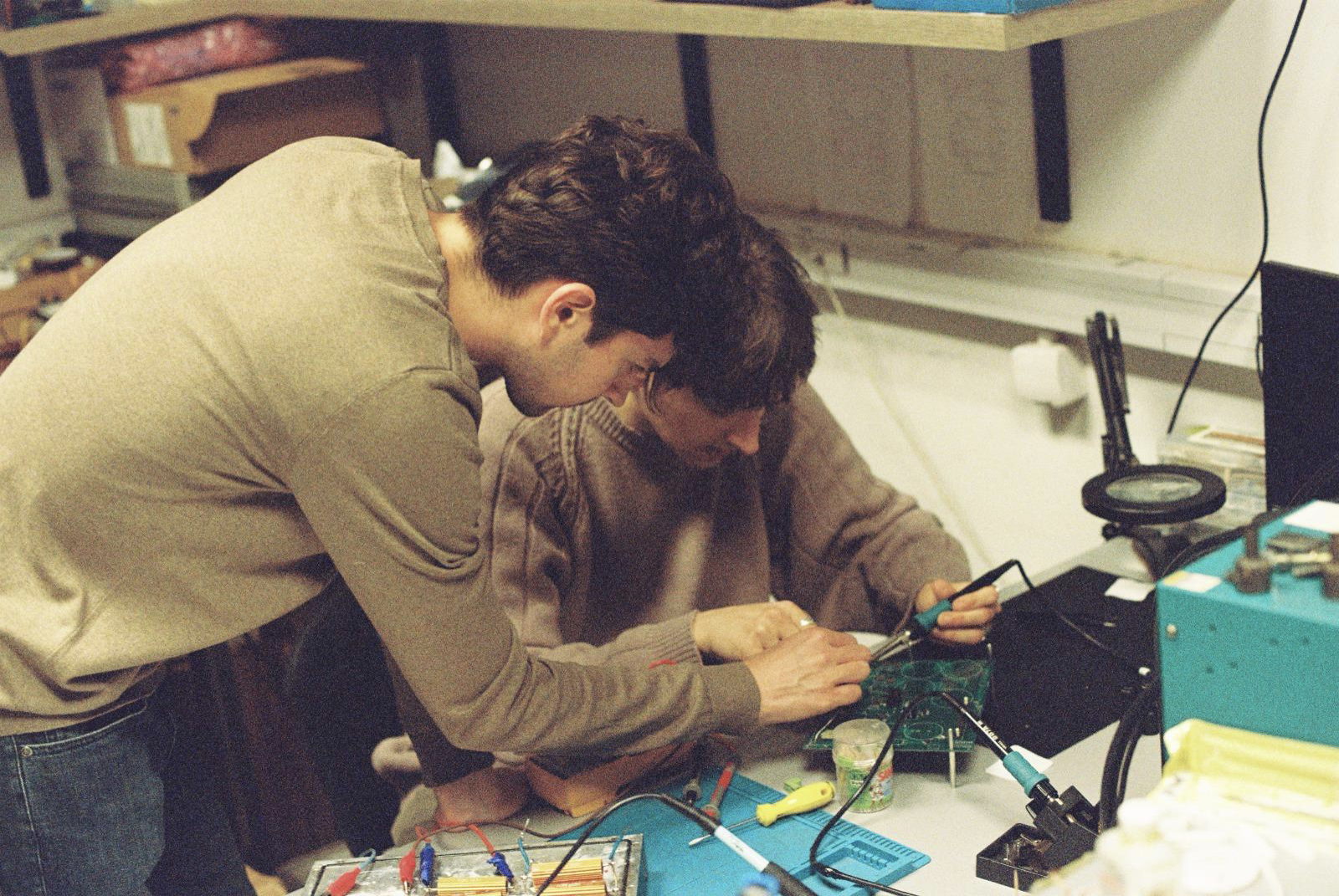
The difference between university coursework and building a real device becomes obvious very quickly.
Inside the lab, theory immediately collides with uncertainty. And that is exactly what makes the experience transformative.
One student described entering discussions where he understood just enough to follow the conversation, but not enough to solve the problem himself.
Instead of feeling discouraged, that became one of the most important parts of the experience.
“It’s an environment where I can sit next to anyone, ask questions and learn an incredible amount of new things.”
The final step - Belgium
In the coming weeks, the H-Bridges team will travel to Leuven, Belgium, where their system will undergo final testing and evaluation in front of an international jury of engineers and industry experts, alongside teams from some of the world’s leading technical universities.
For the students, this moment represents much more than the final stage of a competition. It is the outcome of months spent inside the lab - designing, iterating, rebuilding, testing, failing, and gradually turning a set of technical ideas into a fully functioning engineering system.
The responsibility that comes with this stage is also significant. Over the years, H-Bridges has built a reputation that extends beyond their university, contributing to the visibility of both the Faculty of Electrical Engineering in Belgrade and the wider Serbian engineering community on the global stage.
For a team coming from a country with fewer resources and a smaller academic ecosystem than many of their competitors, that position carries a clear message:
But beyond the technical specifications and competition requirements, what defines this stage is everything that made it possible: the people behind the system, the mentorship, the trust built within the team, and the experience of creating something real under sustained pressure.
How industry supports student engineering teams
Projects like H-Bridges are rarely built by students alone.
Behind every testing session, prototype iteration, and competition stage is a wider ecosystem of mentors, professors, alumni, and companies supporting young engineers as they move from academic theory into real-world system development.
Over the years, collaboration with industry partners has played an important role in helping the team continue building, testing, and competing on the international stage, creating a direct connection between Serbia’s engineering talent and the broader tech community.
And while Belgium may be the next destination, the impact of projects like this extends far beyond a single competition.
And they’re just getting started.